Shrimp
Shrimp Hatching
Explore UK Fish Production Insights
Learn How to Reduce Hatchery Losses
Access Expert Strategies for Successful Aquaculture
Production Overview
Shrimp farming is a cornerstone of global aquaculture, with annual production exceeding 5 million metric tons, driven primarily by species like Penaeus vannamei (whiteleg shrimp), Penaeus monodon(Black tiger shrimp) etc. While shrimp farming contributes significantly to food security and economic development, survival rates in hatcheries often vary between 40% and 60%, largely due to challenges at the egg stage. Optimizing egg management through precise environmental control and advanced technologies is critical to improving survival rates and reducing production losses.
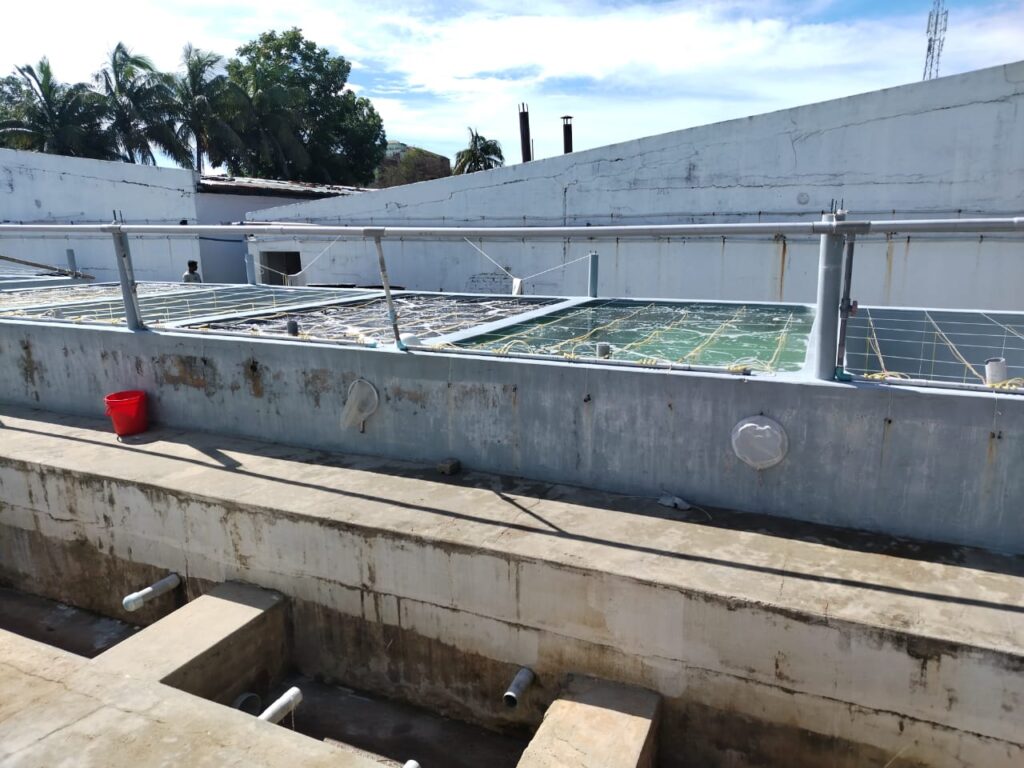
Shrimp Survival Rates
Survival Rates:
The mortality rate for shrimp in hatcheries can vary significantly, with typical survival rates to the post-larvae (PL) stage ranging from 50-70%.
Losses:
Common losses occur due to bacterial/fungal infections, Viruses like White Spot Syndrome Virus (WSSV) and Luminous Bacteria can cause near 100% mortality in a very short time.
Economic Impact:
High mortality leads to reduced fry output, increased costs, and revenue loss, affecting production cycles. Advanced systems like AIquaboost help minimize these risks and improve profitability.
Understanding Shrimp Eggs
- Size: Shrimp eggs are microscopic, measuring approximately 0.2 to 0.3 mm in diameter.
- Incubation Time: Eggs hatch into nauplii within 12–16 hours under optimal conditions.
- Viability: Healthy broodstock can produce eggs with a hatching success rate exceeding 85%, but environmental factors heavily influence outcomes.
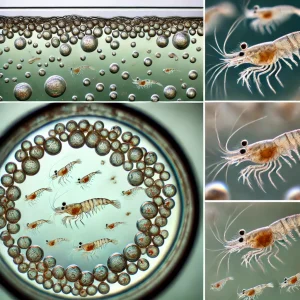
Incubation and Shrimp Hatching management
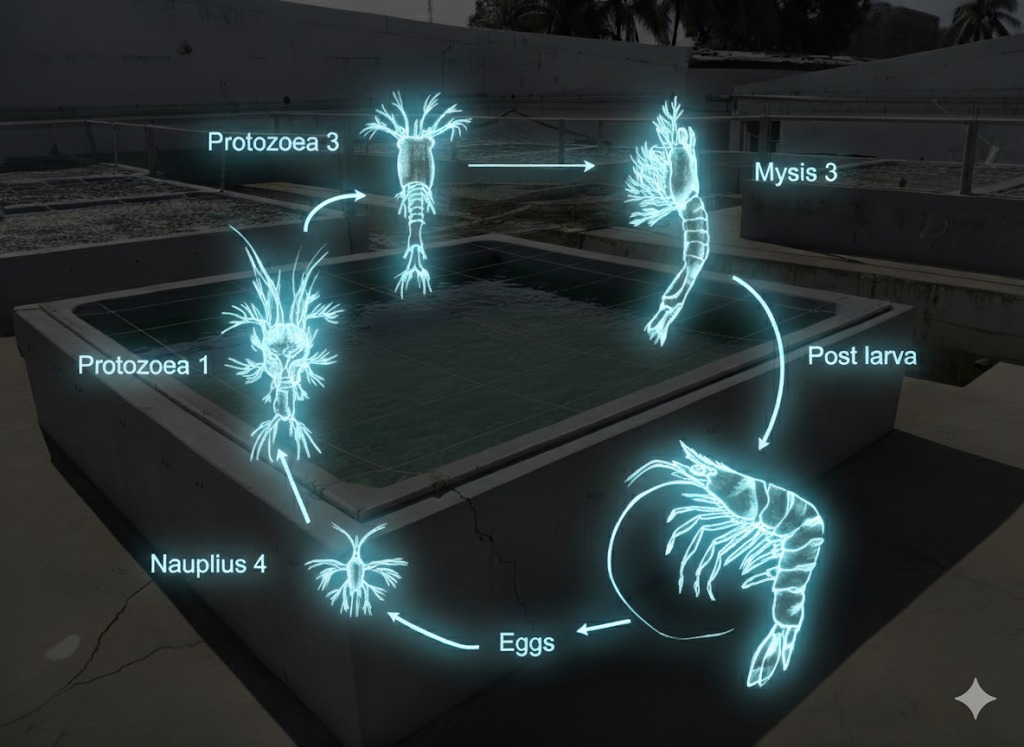
Shrimp eggs and hatching are typically incubated in static tanks or flow-through systems, designed to maintain optimal water quality and prevent egg damage. These systems provide:
- Gentle aeration to keep eggs suspended and prevent clumping.
- Consistent water exchange for optimal oxygenation and waste removal.
- Stable temperature and salinity to support proper embryonic development.
Critical Factors:
1. Water Quality
- Temperature: Maintain between 28–32°C for optimal hatching and development.
- Dissolved oxygen(DO): Ideal 4-6 ppm and above to support embryo respiration.
- Salinity: Keep within 29–36 ppt for marine shrimp species.
- PH: 7.8-8.2 for enzyme function, shell formation, and overall water chemistry.
- Alkalinity: 120-180 ppm Provides buffer capacity to resist pH swings, supports stable chemical environment, assists in shell / exoskeleton formation .
2. Flow Rate and Aeration
- Ensure gentle and continuous aeration to prevent eggs from settling and ensure even oxygen distribution for eggs and larvaes.
- Maintain a steady water flow to remove waste without stressing the eggs and larvaes.
3. Pathogen Control
- Apply UV sterilization and introduce probiotics to maintain a healthy incubation environment.
- AI-powered monitoring can detect early signs of pathogen risks, enabling proactive action.
Black tiger shrimp (Penaeus monodon) hatchery operations using enhanced biosecurity measures- SEAFDEC Manual
Shrimp Hatchery Design, Operation and Management – FAOHome
Challenges at the Shrimp Egg Stage
- Short Incubation Time: The rapid development of shrimp eggs leaves little room for error in environmental conditions.
- Water Quality Management: Fluctuations in temperature, salinity, or oxygen can quickly compromise egg viability.
- Pathogen Susceptibility: Eggs are prone to infections, especially from opportunistic pathogens like fungi and bacteria.
- Nutrient Availability: The quality of broodstock nutrition directly impacts egg quality and hatching success.
The Challenge: Complexity in Shrimp Hatching
Running a shrimp hatchery means managing a living ecosystem where small fluctuations can create major impacts. Hatchery management have a target to control stress- 3 types of stress that happens usually in hatchery process
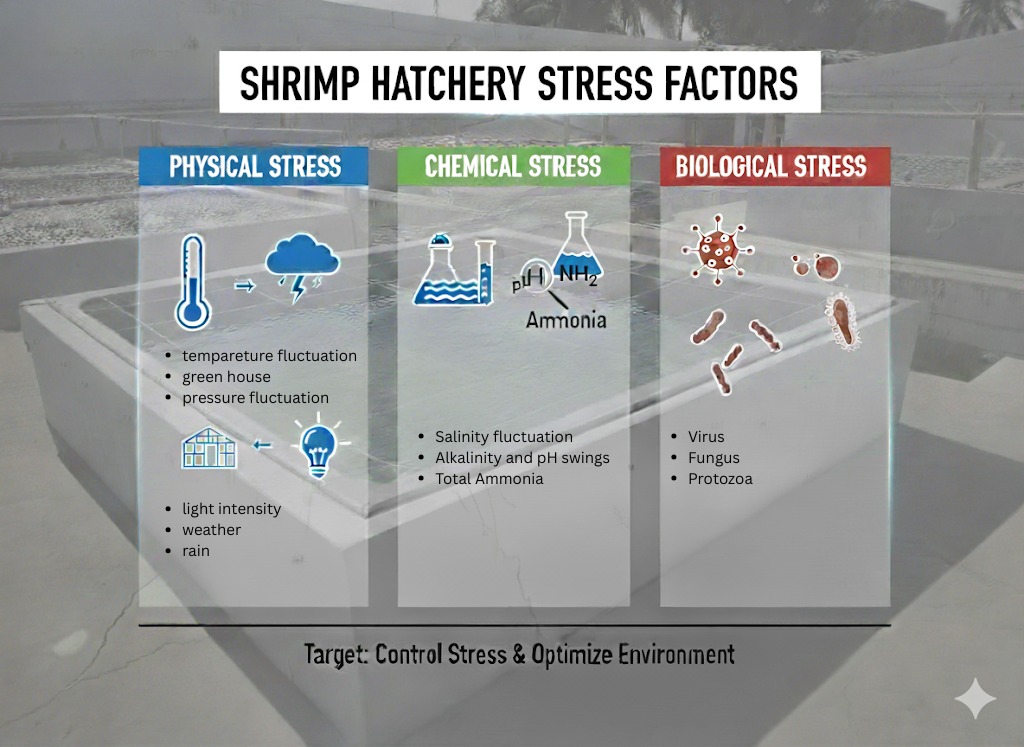
- physical stress (temperature fluctuation, rainfall, greenhouse pressure fluctuation, light etc)
- Chemical stress( sudden salinity fluctuation , alkalinity, pH fluctuation with total ammonia ,NH3 , NH2, )
- Biological stress (virus , bacteria, fungus , protozoa etc )
Environmental Conditions
- Salinity and temperature shifts can trigger outbreaks of bacteria and other pathogens.
- Seasonal pH and alkalinity and temp fluctuations destabilize tanks.
- Surface and bottom water temperatures vary, influencing oxygen levels and shrimp behavior.
Chemical Balance
- Ammonia, nitrite, and nitrate accumulate quickly if not monitored closely.
- Traditional corrective measures, such as water changes, often create sudden fluctuations that shrimp larvaes struggle to survive.
Operational Burdens
- Feeding remains largely manual, guided by observation and experience.
- Fry grading is time-consuming and inconsistent, relying on human judgment.
- Weather—rainfall, temperature swings, and seasonal trends—affects multiple parameters.
- Technicians often find themselves reacting to crises rather than anticipating them.
Mitigation Strategies
Water Quality Optimization & Monitoring
Maintaining optimal water parameters is critical:
- Temperature: Maintain between 28–32°C.
- Salinity: Keep within 29–36 ppt.
- Dissolved Oxygen (DO): Levels should remain above 4-6 mg/L.
- pH: Stabilize within a neutral range of 7.8–8.2.
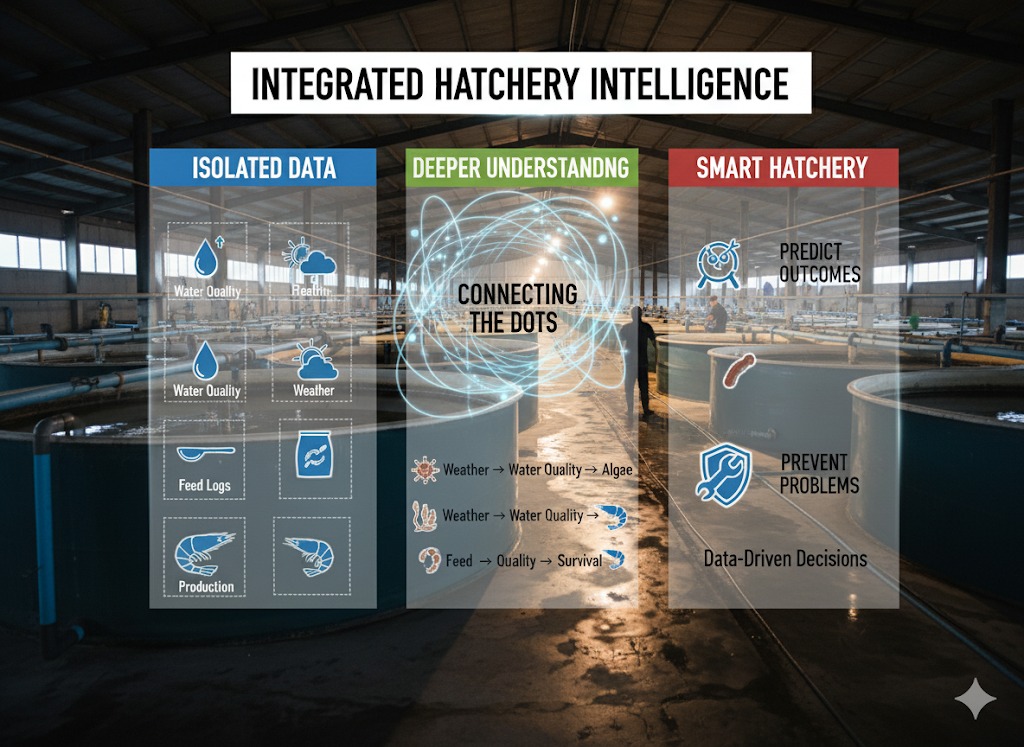
AIquaboost Solution: - Continuous tracking of physical parameters: salinity, oxygen, pH, temperature (surface & bottom).
- Weather data (rainfall, air temperature, humidity) integrated into alerts.
- Example: “DO levels dipping faster at night after rainfall dilution—oxygenation risk increasing.”
Pathogen Control
- UV Sterilization: Ensures pathogen-free water supply.
- Probiotics: Introduce beneficial bacteria to suppress harmful pathogens.
- AI Prediction using Aiquaboost: use data not just to describe problems, but to predict outcomes and suggest preventive actions. Risk scores update and highlight key contributors: e.g., rising ammonia, salinity fluctuation after rainfall, or oxygen dips.
Aeration and Circulation
- Gentle aeration ensures eggs remain suspended in the water column and receive sufficient oxygen.
- Proper circulation prevents waste accumulation and clumping of eggs.
AIquaboost Smartphone based solution to grading and counting
- Mobile-based imaging for counting and grading fry.
- Provides objective assessments of homogeneity, weight, and growth stage.
- Reduces reliance on subjective human grading.
Top Shrimp Species Commercially Produced and Countries of Production
pacific Whiteleg Shrimp (Litopenaeus vannamei)- China, India, Ecuador, Vietnam, Indonesia, Thailand, Saudi Arabia, Bangladesh (started recently)
Black Tiger Shrimp (Penaeus monodon)- Bangladesh, India, Vietnam, Indonesia, Thailand
Indian White Shrimp (Fenneropenaeus indicus)- Saudi Arabia, Iran, India, Egypt
Maximize Shrimp Survival Rates with AIquaboost
AIquaboost helps hatcheries and farms unlock higher survival rates through intelligent, data-driven aquaculture management. By addressing the key factors affecting shrimp health and growth, we help producers achieve better yields, lower mortality, and greater profitability.
Contact us today to learn how AIquaboost can help improve your shrimp survival rates and optimize your production.